How to Stay Ahead as Cruise Ship Safety Standards Evolve
Safety has always been at the heart of cruising. With thousands of guests and crew on board, ensuring everyone’s well-being is more than a priority, it is a commitment that shapes every decision.
At COLUMBIA cruise services (CCS), we know that maintaining safety means anticipating new challenges, embracing innovation, and constantly preparing for emergencies.
The Changing Landscape of Maritime Safety
Maritime safety standards are never static. They evolve as technology advances, incidents teach lessons, and global attitudes shift. The International Maritime Organization (IMO) is the United Nations body responsible for setting these international safety rules, which cover everything from fire prevention and evacuation to cybersecurity.
Recently, the IMO updated its cybersecurity guidelines, highlighting how important digital safety has become for ships. These changes require cruise operators to do more than just meet regulations; they must continuously improve safety measures.
Going Beyond Compliance
Following IMO regulations is only the starting point. Cruise ship operators are guided through investments in advanced fire detection and suppression systems, which help spot risks early and act fast to prevent problems from escalating.
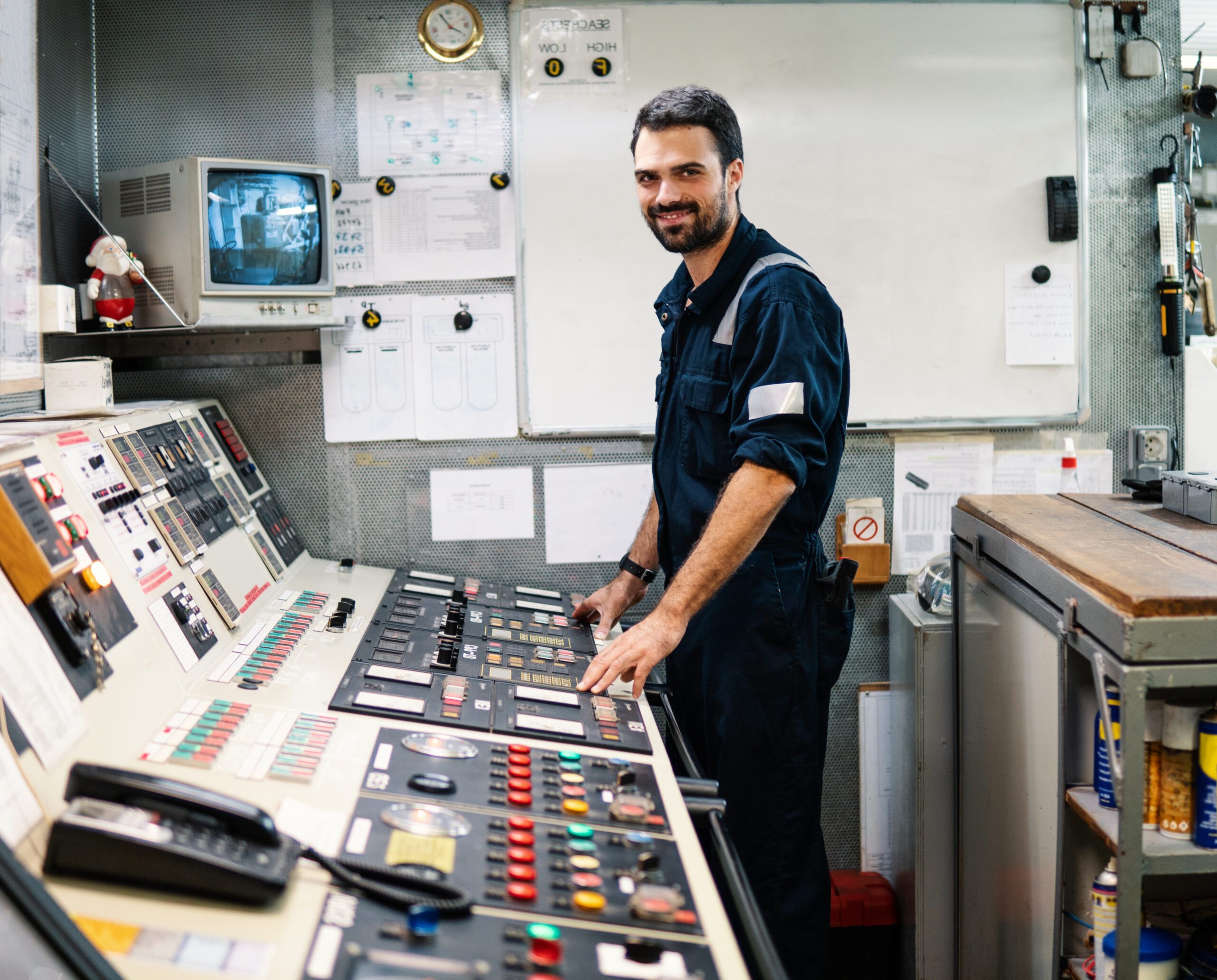
Crew training is also vital. Regular drills cover everything from fires and floods to medical emergencies and evacuations, ensuring that when the unexpected happens, the team is ready to respond calmly and confidently.
Prepared for Any Emergency
Preparedness for any crisis goes beyond training. Detailed emergency management plans are tailored to each vessel and route. These plans clarify roles, communication methods, and resource deployment. Frequent drills keep these plans sharp and responsive.
Cybersecurity has also become a key focus. As ships become more connected, protecting systems from cyberattacks is essential. Investing in robust cybersecurity technology and training staff to identify and tackle threats is the best way to safeguard both operations and passenger data.
Working Together for Safer Seas
Safety is a team effort. At CCS, we actively collaborate with industry bodies, regulators, technology providers, and maritime experts. This involvement helps shape new safety standards and ensures compliance with existing ones.
Strong relationships with port authorities and emergency services mean that if a problem arises, support is swift and effective, whether at sea or in port.
Protecting the Environment
Environmental protection is part of modern safety too. Cruise ships must fully comply with IMO regulations on emissions, ballast water management, and waste disposal. Beyond that, we work with cruise ship operators to pursue initiatives to reduce environmental impact, such as meeting the IMO 2020 sulphur cap and exploring cleaner fuels and technologies.
Looking to the Future
Looking ahead, the cruise industry faces new challenges, climate change, health risks, and technological advances will continue to shape safety. Our expert team at CCS are committed to leading the way with innovation, ongoing training, and strong partnerships. From real-time weather monitoring to next-generation emergency tools, fleets are prepared to meet future demands whilst putting people first. Thorough training and close cooperation with regulators and partners help make every cruise ship voyage as safe as it is unforgettable.
