


Modern cruise ships are true marvels, gliding through the world’s oceans while offering guests boundless enjoyment, and the machinery that makes the ship hum along is also a marvel. As cruise ship experts, COLUMBIA cruise services sees the engine room as the core of the cruise ship experience, housing the machinery responsible for propulsion, electrical power generation, and various other essential functions. Here’s our overview of the different types of engines used, how they work, and the importance of regular maintenance.
A typical modern cruise ship today usually has between four to eight engines with a combination of main engines for propulsion and auxiliary engines for power generation. Typically, the engines are either diesel or gasoline engines, although dual-fuel and electric propulsion are gaining popularity.
Diesel engines on cruise ships are large powerful engines whose inner workings, called a four-stroke design, are chosen for fuel-efficiency to produce fewer emissions than two-stroke diesel engines. This is crucial for cruise ships as they need to comply with stringent environmental regulations. Four-stroke diesel engines are well-suited for generating both propulsion and electrical power, which is necessary for the extensive hotel loads on cruise ships, such as lighting, air conditioning, and other amenities.

Gasoline engines are lighter and can start more quickly than diesel engines and are often used for auxiliary power on the cruise ship.
Dual-fuel engines can run on both diesel and liquefied natural gas (LNG), thereby providing flexibility to help reduce emissions; they are increasingly common due to environmental regulations and fuel cost considerations.
Diesel-electric systems are another option; in this set-up, diesel engines drive generators that produce electricity. This electricity powers electric motors connected to the ship’s propellers. It allows for more flexible placement of engines and improved efficiency. Azipods are another type of electric propulsion where the motor is housed in a pod that can rotate 360 degrees, offering enhanced manoeuvrability and fuel efficiency.
Regular maintenance ensures that the engines and related systems are operating correctly, minimising the risk of breakdowns or failures that could jeopardise the safety of the vessel, passengers, and crew. Well-maintained engines run more efficiently, consuming less fuel and producing fewer emissions. This is crucial for both economic and environmental reasons.
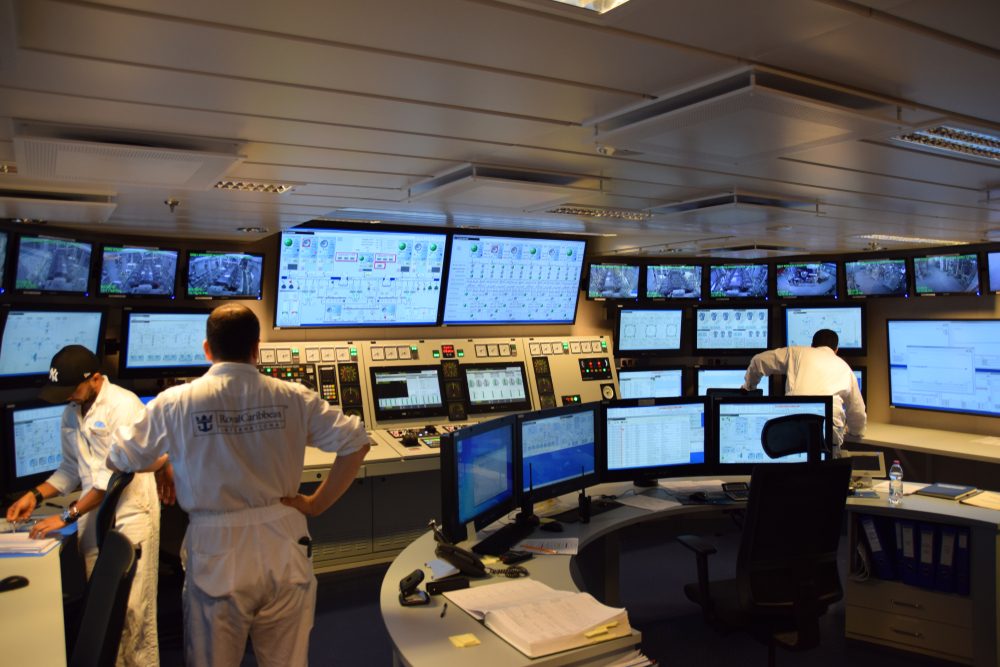
Cruise ships must adhere to international maritime regulations regarding emissions and safety. Regular maintenance helps ensure compliance with these standards, avoiding costly fines and operational restrictions.
Maintenance routines, including lubrication, parts replacements, and system checks, help extend the lifespan of the engines and other machinery, protecting the significant investment in these components.
The most important maintenance activities for cruise ship engines include regular inspections to check engine components, fuel systems, and lubrication systems for wear and tear; oil and filter changes to ensure proper lubrication and functioning of the engine parts; component overhaul which consists of periodically disassembling and inspecting major engine components such as pistons, cylinders, and valves; and regularly inspecting and maintaining systems designed to reduce emissions, such as scrubbers and catalytic converters.
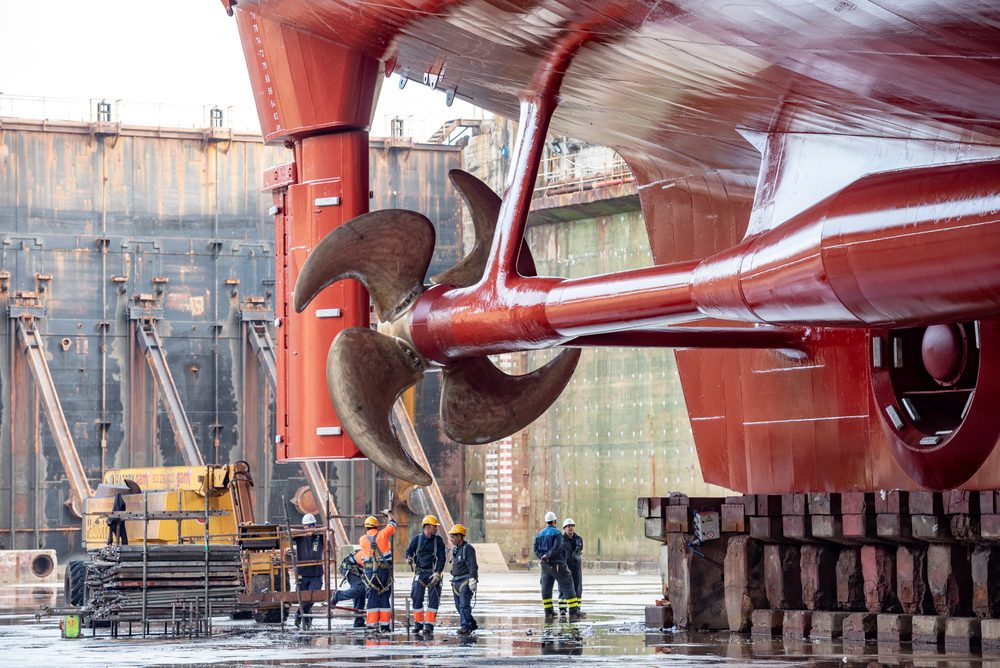
While the decks, pools, restaurants, and shopping areas of a cruise ship are the most compelling for guests, the engine room is a complex and vital area where various types of engines work together to propel the ship and generate power. Regular maintenance is critical to ensure the reliability, efficiency, and safety of these systems, ultimately contributing to the smooth operation of the cruise ship.